publications
2026
-
 Fabry-Perot resonance shifts as a novel nondestructive in situ surface damage diagnosticGregory Blume, Colin Kirk, Sushil Poudel, John Hill, Alimohammed Kachwala, Joseph Grames, Marcy L. Stutzman, Matt Grau, and Sylvain Marsillac(Sep 2026)
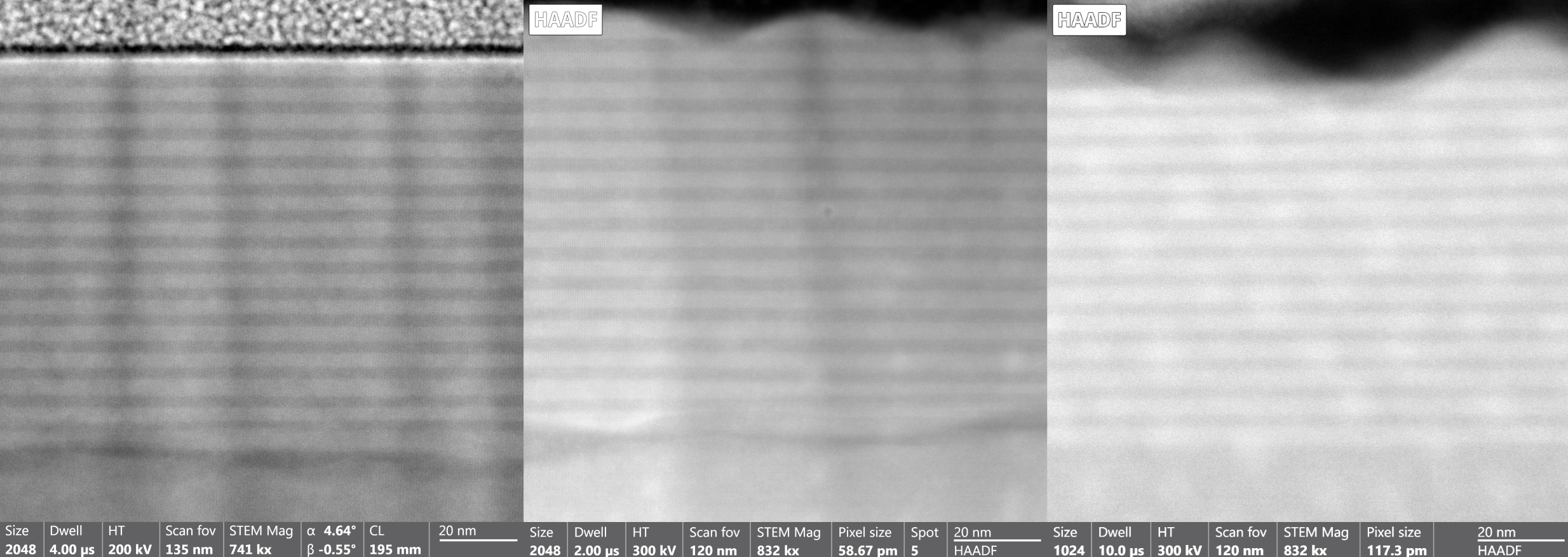
Current surface damage evaluation for nanostructured electronic devices requires specialized equipment or conditions outside the designed operating environment and cannot be used for in situ evaluation of surface damage. In this work, we developed a non-destructive method to probe the surface sublimation of a semiconductor heterostructure which can be applied to other semiconductor damage mechanisms. This approach employs shifts in the resonances of an optical cavity comprising the surface and an integrated distributed Bragg reflector fabricated below the semiconductor heterostructure undergoing sublimation. We performed the demonstration of this technique under vacuum, but surface damage effects can be observed in any operational environment either in situ or ex situ.
-
 Cryogenic Enhancement of Electron Spin Polarization from a Strained {GaAs}/{GaAsP} Superlattice PhotocathodeMatt Grau, Colin Kirk, Greg Blume, John Hill, Sushil Poudel, Alimohammed Kachwala, Marcy Stutzman, Joseph Michael Grames, Sylvain Marsillac, and Matt Poelker(Aug 2026)
We report electron spin polarization of 95.0 +/- 0.8 (stat) +/- 2.4 (sys)\% from a strained {GaAs}/{GaAsP} superlattice photocathode grown by metalorganic chemical vapor deposition ({MOCVD}) and cooled to dry-ice temperature (195 K). We achieved this polarization with 97.8\% circularly polarized excitation light and a quantum efficiency of 0.7\% at the peak polarization wavelength. This measurement exceeds the values of previously reported {GaAs}-based photocathode polarizations, which have clustered near 92\% for two decades. We vary the temperature of the cathode and measure the polarization and quantum-efficiency spectra at 295 K, 273 K, 195 K, and 77 K. The polarization rises from 91.2(1)\% at 295 K to its maximum at 195 K, while the spectral peak shifts from 775 nm to 739 nm (78 meV) over the full temperature range, tracking the widening band gap. The spectra probe two depolarization mechanisms: a thermalized transport channel that is suppressed on cooling, and energy-dependent hot-electron relaxation that persists and sets the low-temperature saturation. The polarization recovers after a full cooling and warmup cycle and is stable while the quantum efficiency decays, which disfavors surface energy filtering as the origin of the gain. These results indicate that modest cooling to 195 K, for which dry ice suffices, is a practical route to higher-polarization {GaAs}-based electron sources.
-
 Trigonometric Continuous-Variable Quantum Gates: Realization with Trapped Ions and Nonperturbative Wigner NegativityTommaso Rainaldi, Jake Montgomery, Christopher G. Yale, Brian K. McFarland, Melissa C. Revelle, Daniel Lobser, Edward C. Tortorici, Susan M. Clark, George Siopsis, Matt Grau, and Felix Ringer(2026)
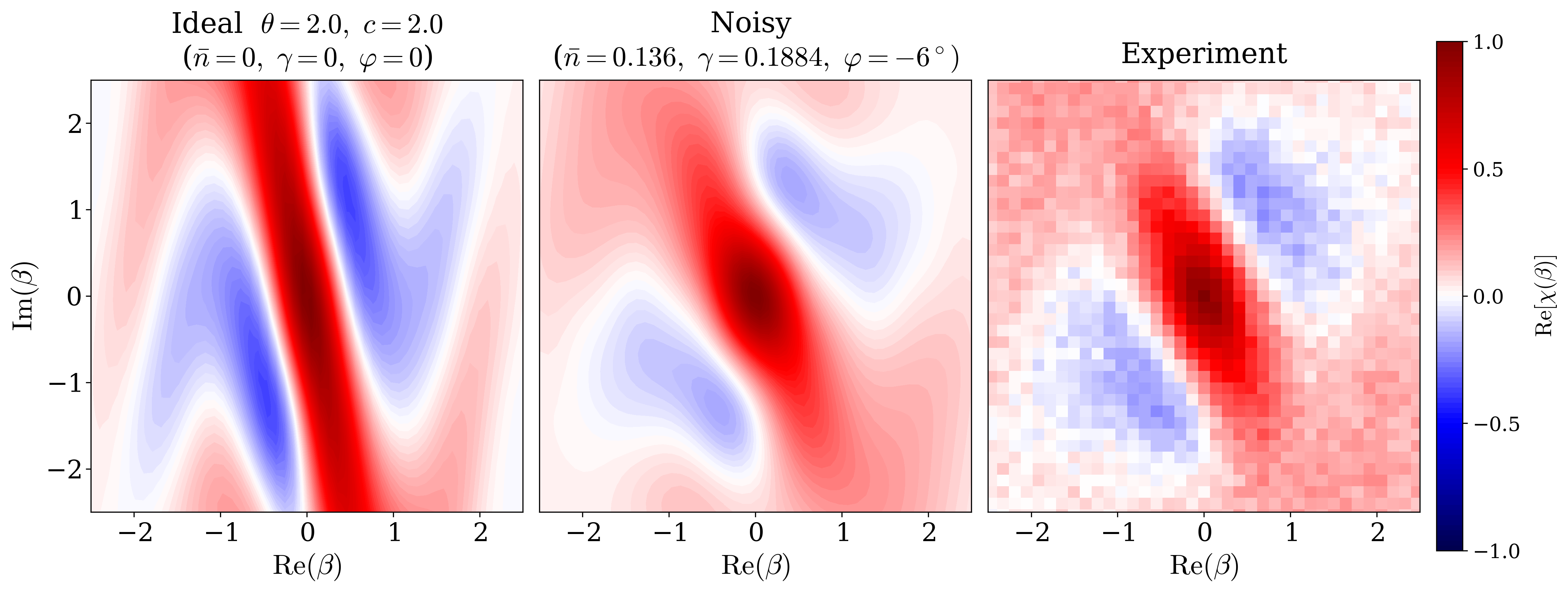
We experimentally realize trigonometric continuous-variable gates on a trapped-ion processor, for which a motional mode acquires a phase proportional to the cosine of its position quadrature, and, for the first time, implement the two-mode generalization, coupling two modes through a single nonlinear phase. Such gates provide an experimentally accessible, nonpolynomial primitive for periodic interactions acting on both compact and noncompact degrees of freedom, including rotor models, sine-Gordon-type systems, and lattice gauge theories. Scanning gate strength, spatial frequency, and circuit depth, we resolve via blue-sideband spectroscopy the parity selection rule that fingerprints the exact cosine evolution, and find that an open-system model incorporating residual thermal occupation and motional dephasing reproduces the data. We then derive the asymptotics of the Wigner negativity generated by these gates and find three scaling regimes. The negativity is beyond all algebraic orders in the gate strength while the negative regions sit in far phase-space tails, becomes linear once they reach the bulk, where it saturates a first-order bound we establish, and logarithmic at strong gate strength. These results expose a general mechanism, first identified here through the cosine gate, by which every finite-order perturbative estimate of a non-Gaussian resource can vanish even though the resource itself remains nonzero. Together, our results establish trigonometric gates as controllable, experimentally realizable building blocks for bosonic quantum simulation, expanding the class of nonlinear dynamics accessible to continuous-variable quantum processors.
- Impact of superlattice size on quantum efficiency and polarization in MOCVD-grown strained GaAs/GaAsP photocathodesAdam Masters, Greg Blume, Sushil Poudel, Joseph Michael Grames, Matt Poelker, Marcy Stutzman, Stephen Polly, Seth M. Hubbard, Sylvain Marsillac, and Matt GrauAppl. Phys. Lett. 128, 8 (Feb 2026)
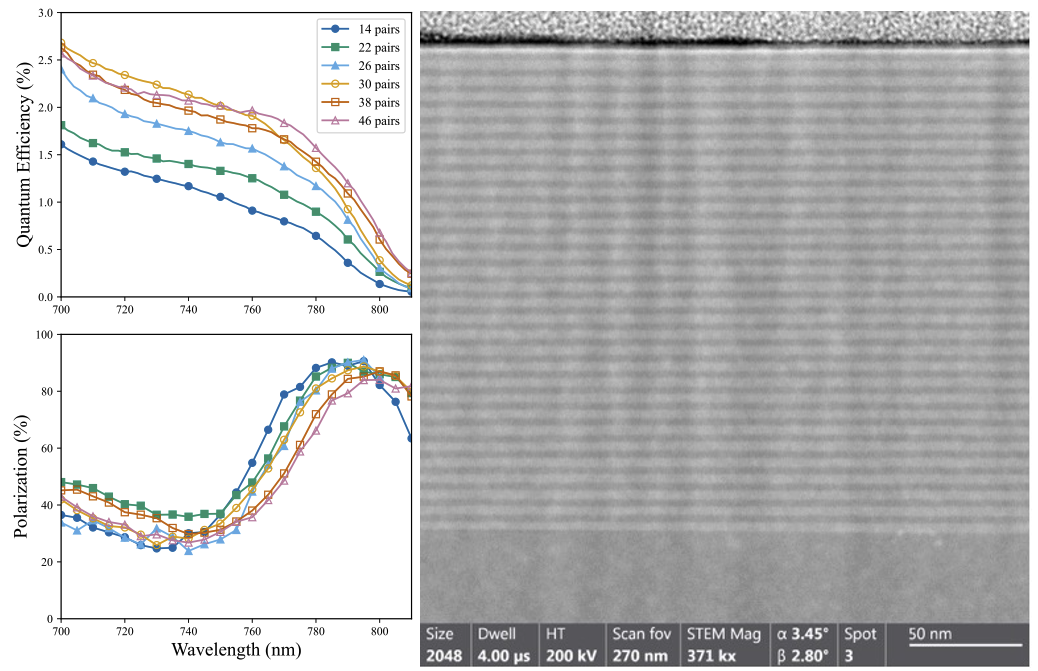
Strained superlattice GaAs photocathodes are crucial for providing high photocurrent beams of spin-polarized electrons at several accelerator facilities including the Continuous Electron Beam Accelerator Facility at Thomas Jefferson National Accelerator Facility and the future Electron-Ion Collider at Brookhaven National Laboratory. In this work, we study the effects of varying the number of superlattice pairs on the polarization and photocurrent of the photocathodes. We observe a saturation in quantum efficiency beyond 30 pairs, with additional layers yielding minimal photocurrent improvement while noticeably reducing the polarization of the beam.
- Trigonometric continuous-variable gates and hybrid quantum simulationsTommaso Rainaldi, Victor Ale, Matt Grau, Dmitri Kharzeev, Enrique Rico, Felix Ringer, Pubasha Shome, and George SiopsisJournal of High Energy Physics 2026, 3 (Mar 2026)
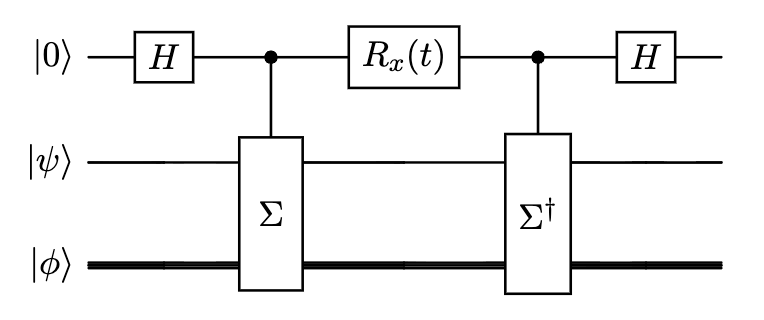
Hybrid qubit-qumode quantum computing platforms provide a natural setting for simulating interacting bosonic quantum field theories. However, existing continuous-variable gate constructions rely predominantly on polynomial functions of canonical quadratures. In this work, we introduce a complementary universality paradigm based on trigonometric continuous-variable gates, which enable a Fourier-like representation of bosonic operators and are particularly well suited for periodic and non-perturbative interactions. We present an ancilla-based framework for implementing trigonometric gates with arguments given by arbitrary Hermitian functions of qumode quadratures. The protocol yields unitary gates deterministically, and non-unitary gates through probabilistic post-selection. As a concrete application, we develop a hybrid qubit-qumode quantum simulation of the lattice sine-Gordon model. Using these gates, we prepare ground states via quantum imaginary-time evolution, simulate real-time dynamics, compute time-dependent vertex two-point correlation functions, and extract quantum kink profiles under topological boundary conditions. Our results demonstrate that trigonometric continuous-variable gates provide a physically natural framework for simulating interacting field theories on near-term hybrid quantum hardware, while establishing a parallel route to universality beyond polynomial gate constructions. We expect that the trigonometric gates introduced here to find broader applications, including quantum simulations of condensed matter systems, quantum chemistry, and biological models.




2025
- Modeling strain and quantum confinement in GaAs/Ga$_{x}$In$_{1-x}$P superlattices for spin-polarized electron sourcesA. Kachwala, G. Blume, S. Marsillac, J. Grames, and M. GrauJ. Appl. Phys. 138, 23 (Dec 2025)
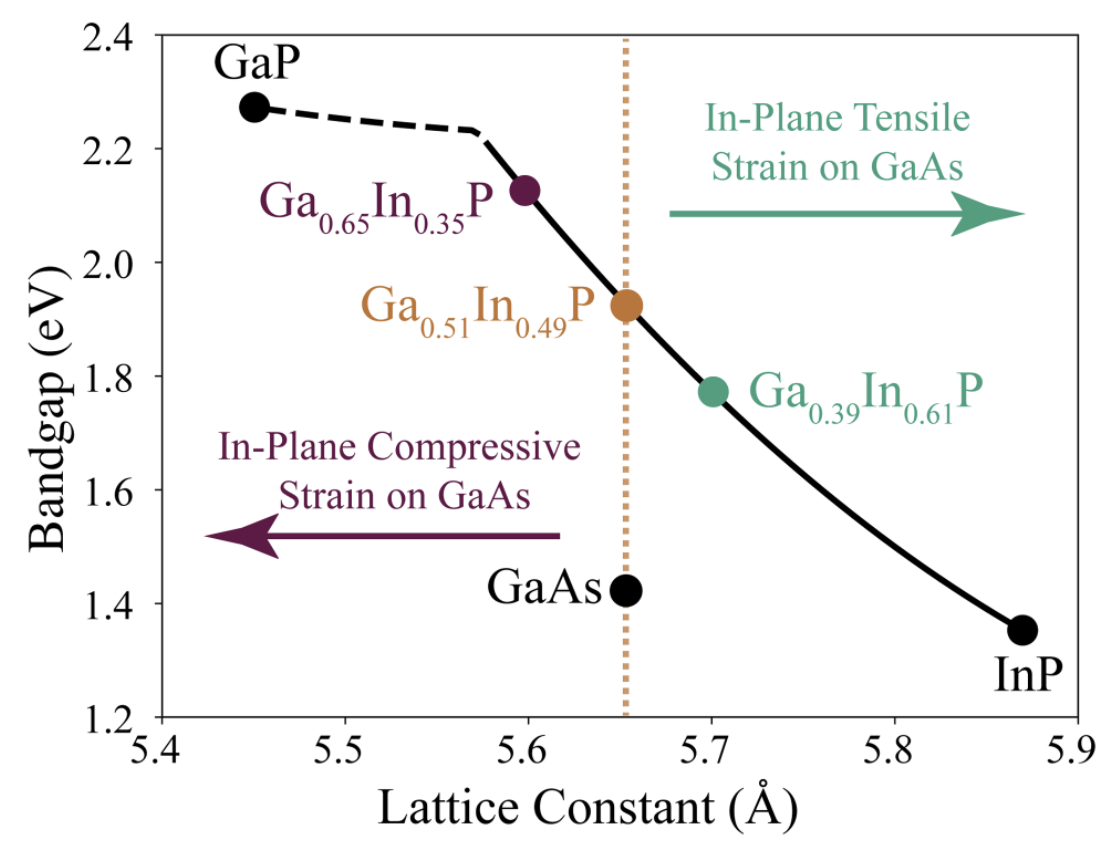
In this study, we systematically design and simulate a series of GaAs-based superlattice configurations aimed at enhancing heavy-hole--light-hole band splitting while simultaneously optimizing band alignment to reduce the conduction band barrier, thereby facilitating efficient electron transport. These combined effects are crucial for achieving high electron spin polarization and high quantum efficiency, the two key performance metrics of next-generation spin-polarized electron sources. We investigated three types of superlattice architectures: (1) compressively strained GaAs wells on GaInP barriers, yielding a maximum band splitting of 140 meV, (2) lattice-matched GaAs/GaInP structures, resulting in the maximum band splitting of 75 meV, and (3) tensile strained GaAs wells on GaInP barriers, with a maximum band splitting of 40 meV. The results demonstrate the tunability of heavy-hole--light-hole band splitting and establish a design framework for high-performance spin-polarized photocathodes based on a combination of strain engineering, quantum confinement, and optimized heterostructure design.
- Hybrid quantum simulations with qubits and qumodes on trapped-ion platformsJack Y. Araz, Matt Grau, Jake Montgomery, and Felix RingerPhys. Rev. A 112, 1 (Jul 2025)
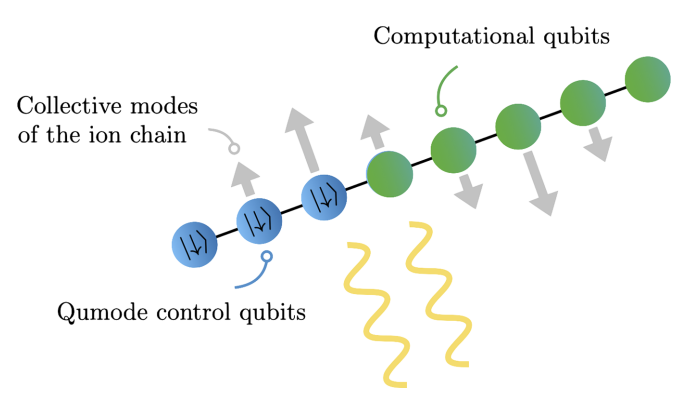
We explore the feasibility of gate-based hybrid quantum computing using both discrete (qubit) and continuous (qumode) variables on trapped-ion platforms. Trapped-ion systems have demonstrated record one- and two-qubit gate fidelities and long qubit coherence times, while qumodes, which can be represented by the collective vibrational modes of the ion chain, have remained relatively unexplored for their use in computing. Using numerical simulations, we show that high-fidelity hybrid gates and measurement operations can be achieved for existing trapped-ion quantum platforms. As an exemplary application, we consider quantum simulations of the Jaynes-Cummings-Hubbard model, which is given by a one-dimensional chain of interacting spin and boson degrees of freedom. Using classical simulations, we study its real-time evolution and develop a suitable variational quantum algorithm for ground state preparation. Our results motivate further studies of hybrid quantum computing in this context, which may lead to direct applications in condensed matter and fundamental particle and nuclear physics.
- State preparation of lattice field theories using quantum optimal controlJack Y. Araz, Siddhanth Bhowmick, Matt Grau, Thomas J. McEntire, and Felix RingerPhys. Rev. D 111, 3 (Feb 2025)
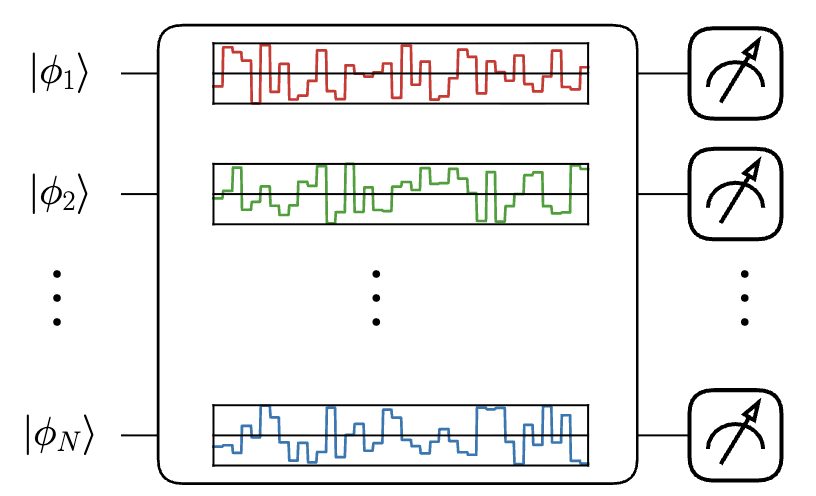
We explore the application of quantum optimal control (QOC) techniques to state preparation of lattice field theories on quantum computers. As a first example, we focus on the Schwinger model, quantum electrodynamics in 1+1 dimensions. We demonstrate that QOC can significantly speed up the ground state preparation compared to gate-based methods, even for models with long-range interactions. Using classical simulations, we explore the dependence on the inter-qubit coupling strength and the device connectivity, and we study the optimization in the presence of noise. While our simulations indicate potential speedups, the results strongly depend on the device specifications. In addition, we perform exploratory studies on the preparation of thermal states. Our results motivate further studies of QOC techniques in the context of quantum simulations for fundamental physics.


2024
- Quantum logic control and precision measurements of molecular ions in a ring trap: An approach for testing fundamental symmetriesYan Zhou, Joshua O. Island, and Matt GrauPhys. Rev. A 109, 3 (Mar 2024)
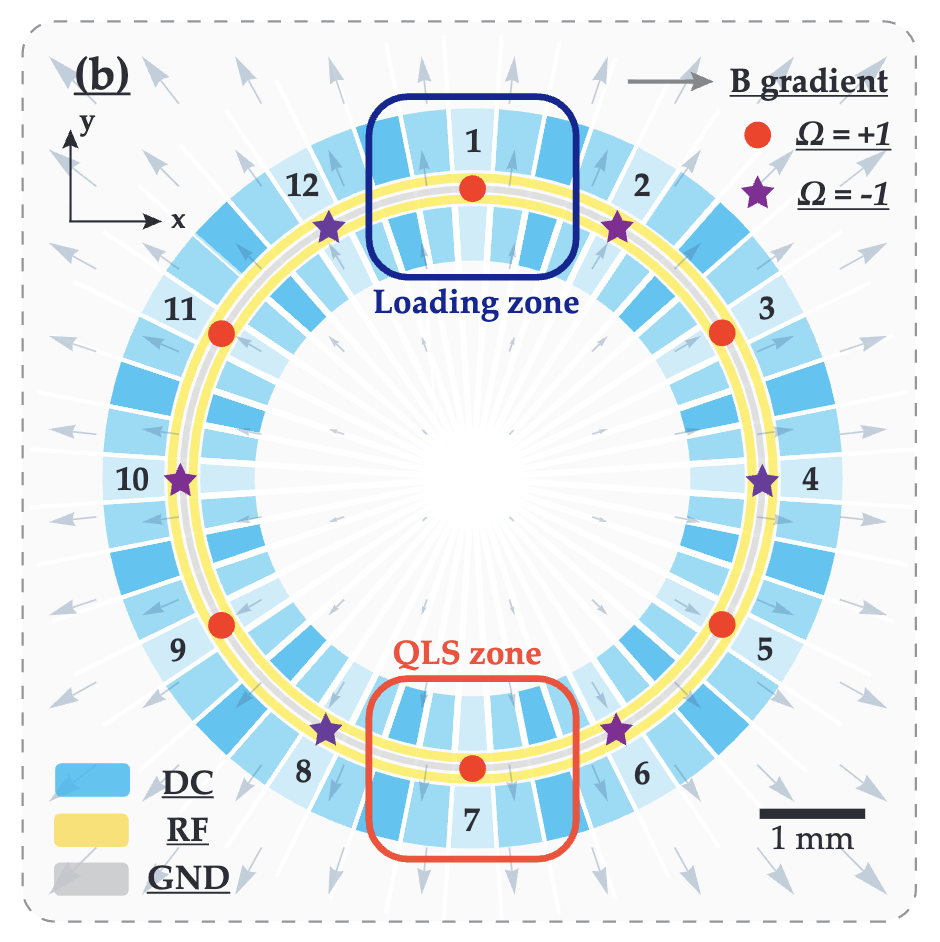
We present a new platform facilitating quantum logic control of polar molecular ions in a segmented ring ion trap, paving the way for precision measurements. This approach focuses on achieving near-unity state preparation and detection, as well as long spin coherence. A distinctive aspect lies in separating state preparation and detection conducted in a static frame, from parity-selective spin-precession in a rotating frame. This method can be applied to a wide range of ion species and will be used to search for the electron's electric dipole moment and the nuclear magnetic quadrupole moment.

2023
- Nuclear magnetic quadrupole moment of $^{175}$Lu and parity-violating polarization degree of levels in $^{175}$LuOH$^{+}$Igor Kurchavov, Daniel Maison, Leonid Skripnikov, Matt Grau, and Alexander PetrovPhys. Rev. A 108, 5 (Nov 2023)
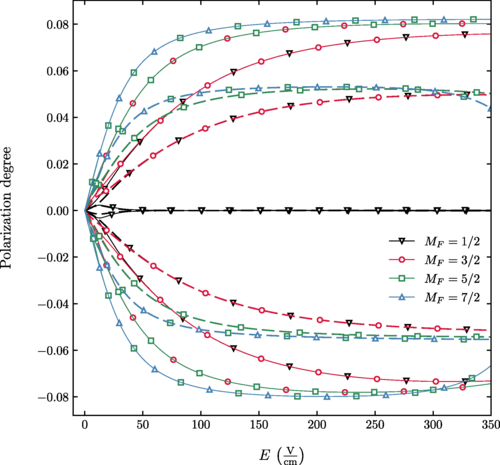
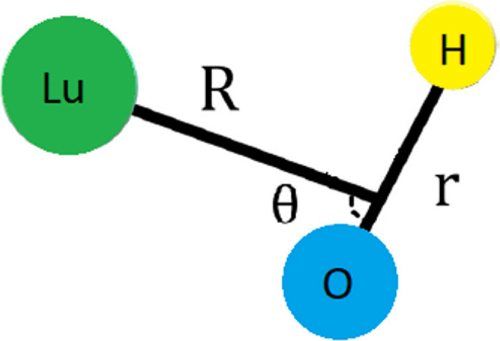
The calculation of the parity-violating polarizations in the external electric field, which are associated with the electron electric dipole moment (eEDM) and magnetic quadrupole moment (MQM) of the $^{175}$Lu nucleus, as well as the determination of the rovibrational structure for the $^{175}$LuOH$^+$ cation, is performed. Beyond the bending of the molecule, the slight effect of the stretching of the distance between Lu and OH is taken into account. This study is required for the preparation of the experiment and for the extraction of the eEDM and MQM values of $^{175}$Lu from future measurements.
- High figure of merit spin polarized electron sources grown via MOCVDBenjamin Belfore, Adam Masters, Deewakar Poudel, Greg Blume, Stephen Polly, Erdong Wang, Seth M Hubbard, Marcy Stutzman, Joseph Michael Grames, Matt Poelker, Matt Grau, and Sylvain MarsillacAppl. Phys. Lett. 123, 22 (Nov 2023)
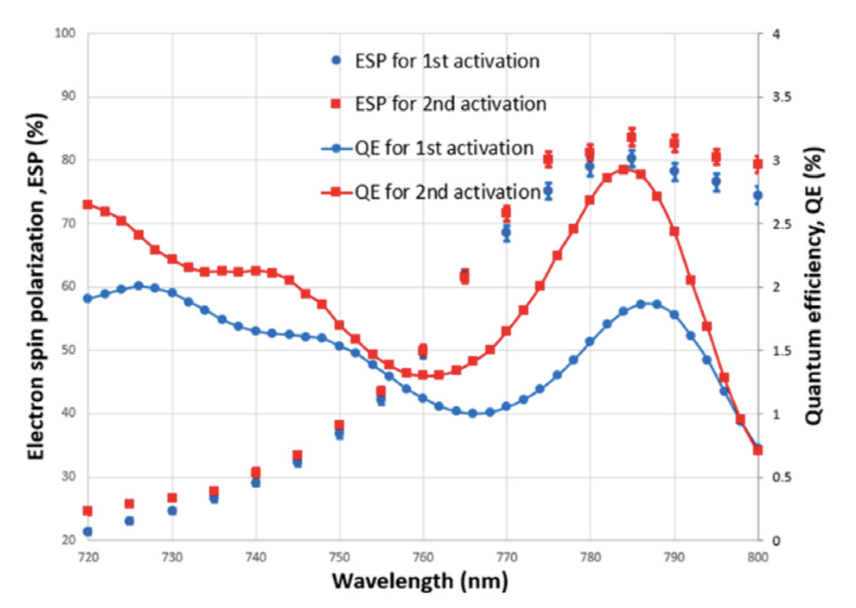
Spin polarized photocathodes are key to the future operation of electron accelerators such as the ones at Thomas Jefferson National Accelerator Facility and Brookhaven National Laboratory. Currently, these photocathodes come in short supply due to limited production by molecular beam epitaxy. By developing a process to implement similar structures using metal organic chemical vapor deposition, the availability of these devices can be increased. In this paper, we detail the implementation of recent photocathode advancements via metal organic chemical vapor deposition process and show an improvement in both polarization and quantum efficiency of our devices compared to those fabricated via molecular beam epitaxy, with devices reaching 82\% polarization and 2.9\% quantum efficiency.
- Integration of a high finesse cryogenic build-up cavity with an ion trapOliver Wipfli, Henry Fernandes Passagem, Christoph Fischer, Matt Grau, and Jonathan P. HomeRev. Sci. Instrum. 94, 8 (Aug 2023)
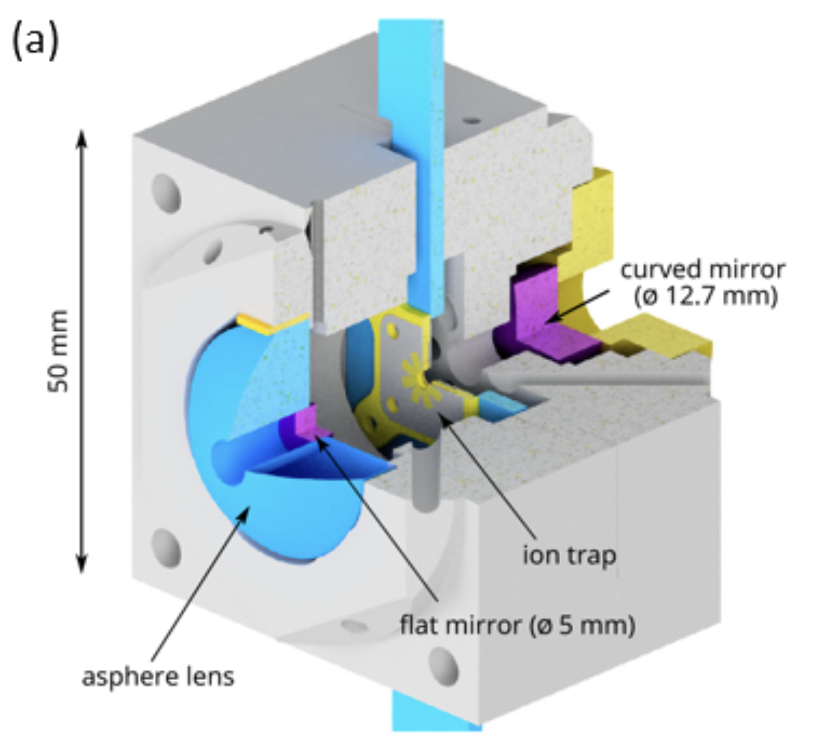
We report on the realization of a hemispherical optical cavity with a finesse of $\mathcal{F} = 13000$ sustaining inter-cavity powers of 10 kW, which we operate in a closed-cycle cryostat vacuum system close to 4 Kelvin. This was designed and built with an integrated radio-frequency Paul trap, in order to combine optical and radio-frequency trapping. The cavity provides a power build-up factor of 2250. We describe a number of aspects of the system design and operation, including low-vibration mounting and locking including thermal effects at high powers. Thermal self-locking in the high intracavity power regime was observed to enhance the passive stability below 1 kHz. Observations made over repeated cool-downs over a course of a year show a repeatable shift between the ion trap center and the cavity mode.


2022
- $\mathcal{T},\mathcal{P}$-odd effects in the LuOH$^{+}$ cationDaniel E. Maison, Leonid V. Skripnikov, Gleb Penyazkov, Matt Grau, and Alexander N. PetrovPhys. Rev. A 106, 6 (Dec 2022)
The LuOH$^+$ cation is a promising system to search for manifestations of time reversal and spatial parity violation effects. Such effects in LuOH$^+$ induced by the electron electric dipole moment (eEDM) and the scalar-pseudoscalar interaction of the nucleus with electrons, characterized by $k_s$ constant, are studied. The enhancement factors, polarization in the external electric field, hyperfine interaction, and rovibrational structure are calculated. The study is required for the experiment preparation and extraction of the eEDM and $k_s$ values from experimental data.

2021
- Engineering generalized Gibbs ensembles with trapped ionsFlorentin Reiter, Florian Lange, Shreyans Jain, Matt Grau, Jonathan P Home, and Zala LenarcicPhys. Rev. Res. 3, 3 (Aug 2021)
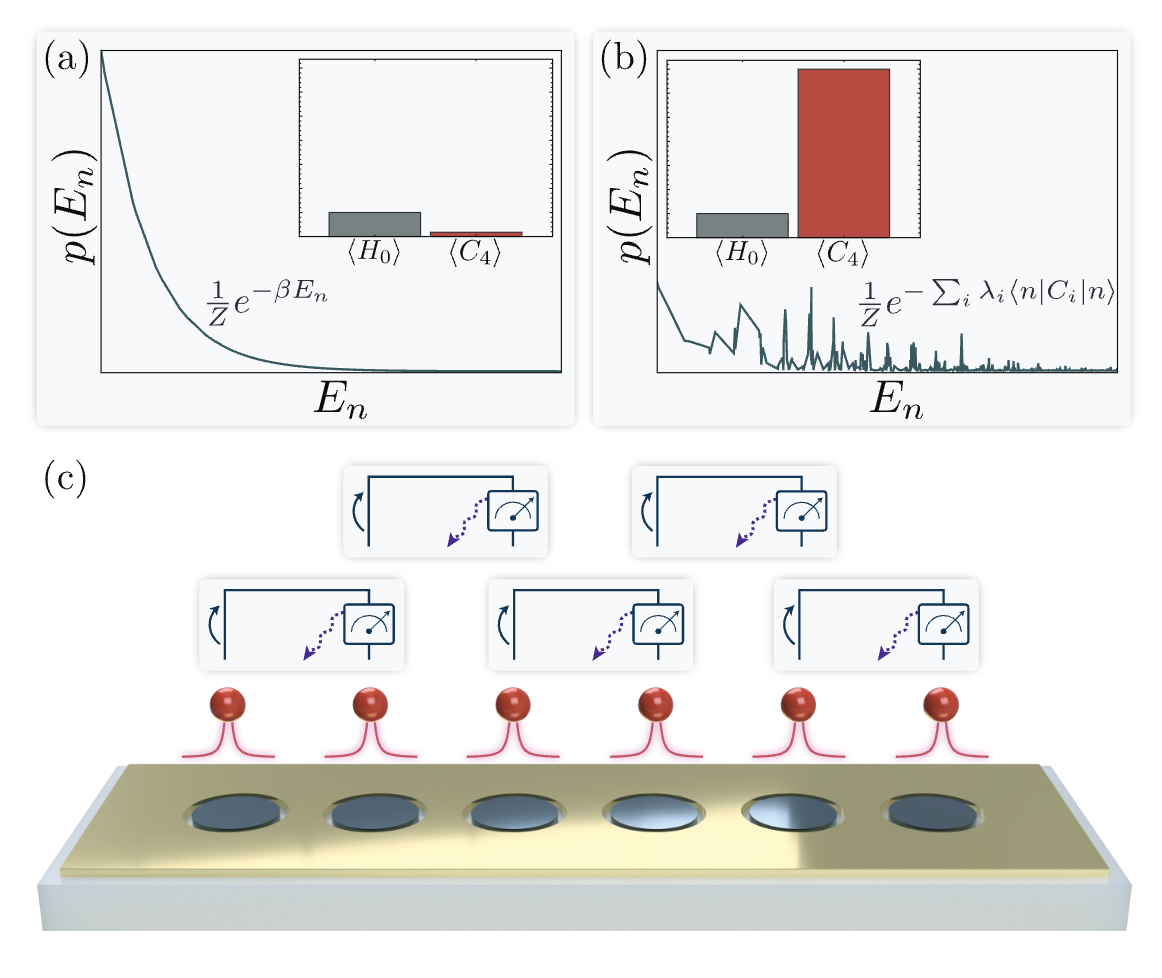
The concept of generalized Gibbs ensembles (GGEs) has been introduced to describe steady states of integrable models. Recent advances show that GGEs can also be stabilized in nearly integrable quantum systems when driven by external fields and open. Here, we present a weakly dissipative dynamics that drives towards a steady-state GGE and is realistic to implement in systems of trapped ions. We outline the engineering of the desired dissipation by a combination of couplings which can be realized with ion-trap setups and discuss the experimental observables needed to detect a deviation from a thermal state. We present a novel mixed-species motional mode engineering technique in an array of micro-traps and demonstrate the possibility to use sympathetic cooling to construct many-body dissipators. Our work provides a blueprint for experimental observation of GGEs in open systems and opens a new avenue for quantum simulation of driven-dissipative quantum many-body problems.
- Experimental Constraint on Axionlike Particles over Seven Orders of Magnitude in MassTanya S. Roussy, Daniel A. Palken, William B. Cairncross, Benjamin M. Brubaker, Daniel N. Gresh, Matt Grau, Kevin C. Cossel, Kia Boon Ng, Yuval Shagam, Yan Zhou, Victor V. Flambaum, Konrad W. Lehnert, Jun Ye, and Eric A. CornellPhys. Rev. Lett. 126, 17 (2021)
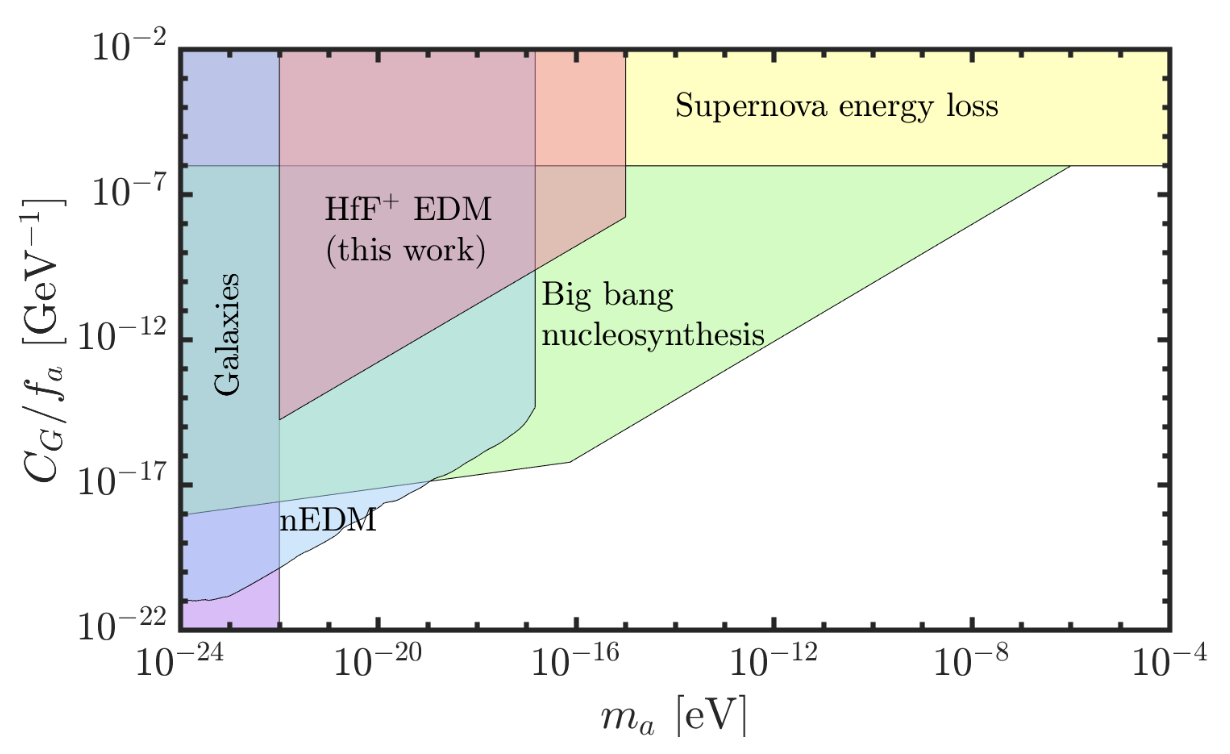
We use our recent electric dipole moment (EDM) measurement data to constrain the possibility that the HfF$^+$ EDM oscillates in time due to interactions with candidate dark matter axion-like particles (ALPs). We employ a Bayesian analysis method which accounts for both the look-elsewhere effect and the uncertainties associated with stochastic density fluctuations in the ALP field. We find no evidence of an oscillating EDM over a range spanning from 27 nHz to 400 mHz, and we use this result to constrain the ALP-gluon coupling over the mass range $10^{-22}$--$10^{-15}$ eV. This is the first laboratory constraint on the ALP-gluon coupling in the $10^{-17}$--$10^{-15}$ eV range, and the first laboratory constraint to properly account for the stochastic nature of the ALP field.
- Predictive models using ``cheap and easy'' field measurements: Can they fill a gap in planning, monitoring, and implementing fecal sludge management solutions?Barbara J. Ward, Nienke Andriessen, James M. Tembo, Joel Kabika, Matt Grau, Andreas Scheidegger, Eberhard Morgenroth, and Linda StrandeWater Res. 196, 116997 (2021)
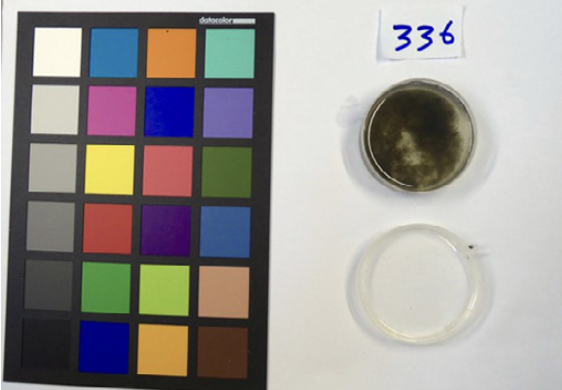
The characteristics of fecal sludge delivered to treatment plants are highly variable. Adapting treatment process operations accordingly is challenging due to a lack of analytical capacity for characterization and monitoring at many treatment plants. Cost-efficient and simple field measurements such as photographs and probe readings could be proxies for process control parameters that normally require laboratory analysis. To investigate this, we evaluated questionnaire data, expert assessments, and simple analytical measurements for fecal sludge collected from 421 onsite containments. This data served as inputs to models of varying complexity. Random forest and linear regression models were able to predict physical-chemical characteristics including total solids (TS) and ammonium (NH4+-N) concentrations, and solid-liquid separation performance including settling efficiency and filtration time (R2 from 0.51-0.66) based on image analysis of photographs (sludge color, supernatant color, and texture) and probe readings (conductivity (EC) and pH). Supernatant color was the best predictor of settling efficiency and filtration time, EC was the best predictor of NH4+-N, and texture was the best predictor of TS. Predictive models have the potential to be applied for real-time monitoring and process control if a database of measurements is developed and models are validated in other cities. Simple decision tree models based on the single classifier of containment type can also be used to make predictions about citywide planning, where a lower degree of accuracy is required.



2020
- Search for CP-violating nuclear magnetic quadrupole moment using the LuOH$^+$ cationD. E. Maison, L. V. Skripnikov, V. V. Flambaum, and M. GrauJ. Chem. Phys. 153, 22 (2020)
The CP-violating interaction of the nuclear magnetic quadrupole moment (MQM) of the $^{175}$Lu nucleus with electrons in the molecular cation LuOH$^+$ is studied. The resulting effect is expressed in terms of CP-odd parameters, such as quantum chromodynamics angle $\bar{\theta}$, quark electric dipole moment (EDM) and chromo-EDM. For this we have performed a calculation of the nuclear MQM as well as the molecular constant that characterises the interaction of this MQM of $^{175}$Lu with electrons. Additionally, we predict the hyperfine structure constants for the ground electronic state of LuOH$^+$. We conclude that LuOH$^+$ is a promising system to measure the nuclear MQM.
- Scalable Arrays of Micro-Penning Traps for Quantum Computing and SimulationS. Jain, J. Alonso, M. Grau, and J. P. HomePhys. Rev. X 10, 3 (Aug 2020)
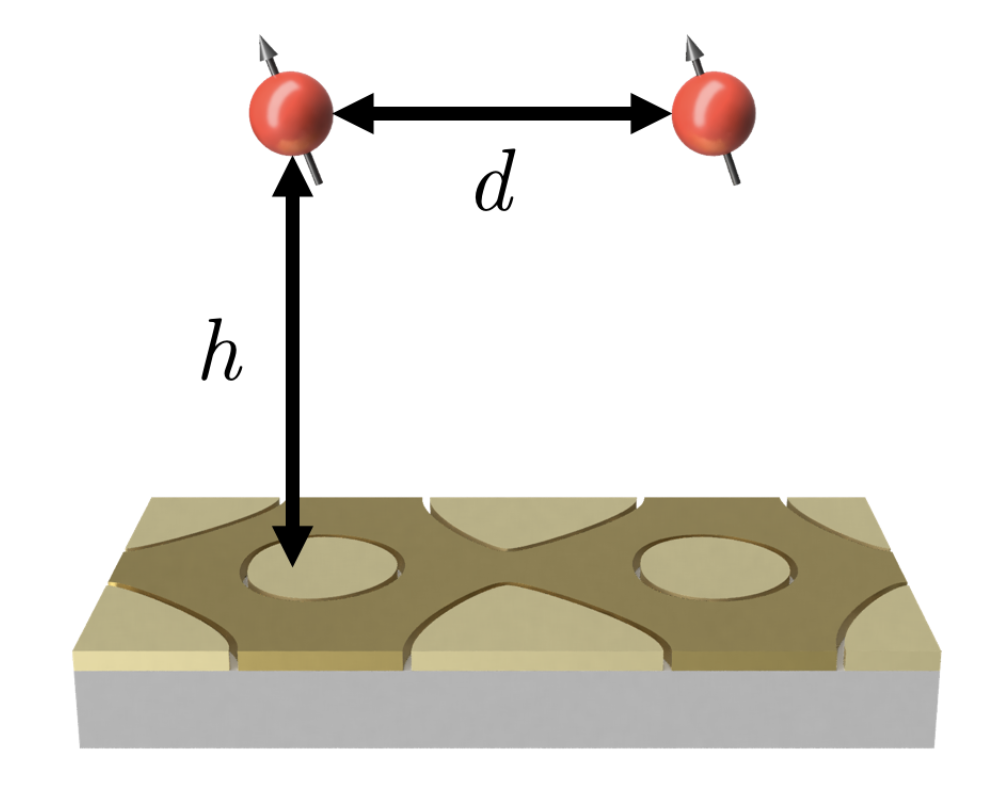
We propose the use of 2-dimensional Penning trap arrays as a scalable platform for quantum simulation and quantum computing with trapped atomic ions. This approach involves placing arrays of micro-structured electrodes defining static electric quadrupole sites in a magnetic field, with single ions trapped at each site and coupled to neighbors via the Coulomb interaction. We solve for the normal modes of ion motion in such arrays, and derive a generalized multi-ion invariance theorem for stable motion even in the presence of trap imperfections. We use these techniques to investigate the feasibility of quantum simulation and quantum computation in fixed ion lattices. In homogeneous arrays, we show that sufficiently dense arrays are achievable, with axial, magnetron and cyclotron motions exhibiting inter-ion dipolar coupling with rates significantly higher than expected decoherence. With the addition of laser fields these can realize tunable-range interacting spin Hamiltonians. We also show how local control of potentials allows isolation of small numbers of ions in a fixed array and can be used to implement high fidelity gates. The use of static trapping fields means that our approach is not limited by power requirements as system size increases, removing a major challenge for scaling which is present in standard radio-frequency traps. Thus the architecture and methods provided here appear to open a path for trapped-ion quantum computing to reach fault-tolerant scale devices.


2017
- Precision Measurement of the Electron's Electric Dipole Moment Using Trapped Molecular IonsWilliam B. Cairncross, Daniel N. Gresh, Matt Grau, Kevin C. Cossel, Tanya S. Roussy, Yiqi Ni, Yan Zhou, Jun Ye, and Eric A. CornellPhys. Rev. Lett. 119, 15 (Oct 2017)
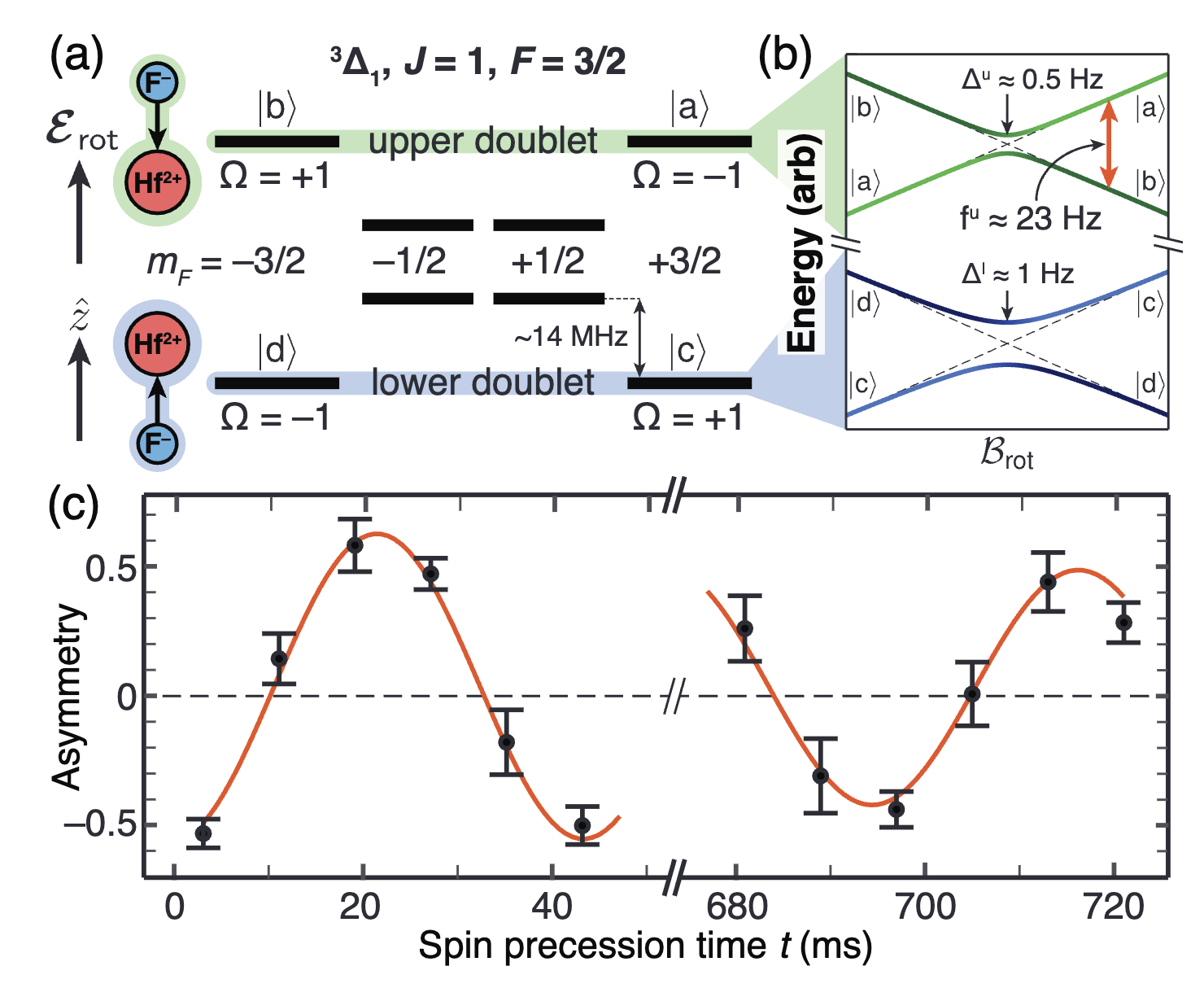
We describe the first precision measurement of the electron's electric dipole moment (eEDM, $d_e$) using trapped molecular ions, demonstrating the application of spin interrogation times over 700 ms to achieve high sensitivity and stringent rejection of systematic errors. Through electron spin resonance spectroscopy on $^{180}$Hf$^{19}$F$^+$ in its metastable $^3\Delta_1$ electronic state, we obtain $d_e = (0.9 \pm 7.7_\text{stat} \pm 1.7_\text{syst}) \times 10^{-29}\,e\,\text{cm}$, resulting in an upper bound of $|d_e| < 1.3 \times 10^{-28}\,e\,\text{cm}$ (90\% confidence). Our result provides independent confirmation of the current upper bound of $|d_e| < 9.3 \times 10^{-29}\,e\,\text{cm}$ and offers the potential to improve on this limit in the near future.

2014
- State-specific detection of trapped HfF$^+$ by photodissociationKang-Kuen Ni, Huanqian Loh, Matt Grau, Kevin C. Cossel, Jun Ye, and Eric A. CornellJ. Mol. Spectrosc. 300, 12-15 (2014)Spectroscopic Tests of Fundamental Physics
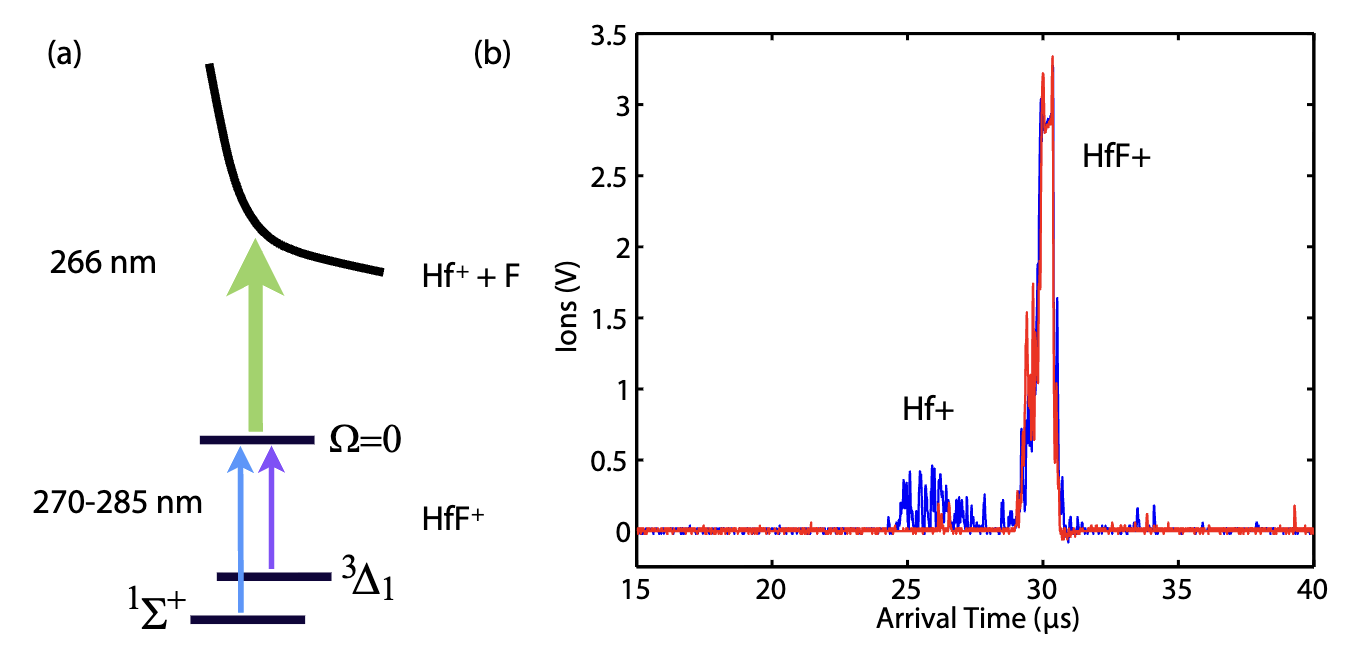
We use (1+1') resonance-enhanced multiphoton photodissociation (REMPD) to detect the population in individual rovibronic states of trapped HfF$^+$ with a single-shot absolute efficiency of 18\%, which is over 200 times better than that obtained with fluorescence detection. The first photon excites a specific rotational level to an intermediate vibronic band at 35\,000--36\,500 cm$^{-1}$, and the second photon, at 37\,594 cm$^{-1}$ (266 nm), dissociates HfF$^+$ into Hf$^+$ and F. Mass-resolved time-of-flight ion detection then yields the number of state-selectively dissociated ions. Using this method, we observe rotational-state heating of trapped HfF$^+$ ions from collisions with neutral Ar atoms. Furthermore, we measure the lifetime of the $^3\Delta_1$ $v=0$, $J=1$ state to be 2.1(2) s. This state will be used for a search for a permanent electric dipole moment of the electron.
- Phase Synchronization of Two Anharmonic Nanomechanical OscillatorsMatthew H. Matheny, Matt Grau, Luis G. Villanueva, Rassul B. Karabalin, M. C. Cross, and Michael L. RoukesPhys. Rev. Lett. 112, 1 (Jan 2014)
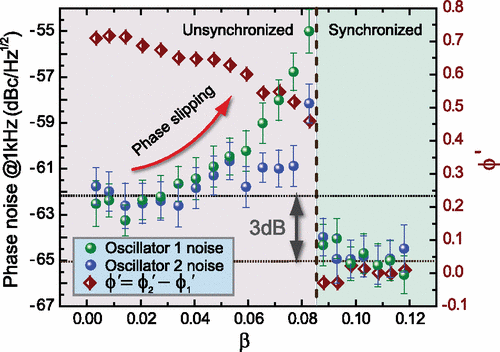
We investigate the synchronization of oscillators based on anharmonic nanoelectromechanical resonators. Our experimental implementation allows unprecedented observation and control of parameters governing the dynamics of synchronization. We find close quantitative agreement between experimental data and theory describing reactively coupled Duffing resonators with fully saturated feedback gain. In the synchronized state we demonstrate a significant reduction in the phase noise of the oscillators, which is key for sensor and clock applications. Our work establishes that oscillator networks constructed from nanomechanical resonators form an ideal laboratory to study synchronization given their high-quality factors, small footprint, and ease of co-integration with modern electronic signal processing technologies.


2013
- Precision Spectroscopy of Polarized Molecules in an Ion TrapH. Loh, K. C. Cossel, M. Grau, K.-K. Ni, E. R. Meyer, J. L. Bohn, J. Ye, and E. A. CornellScience 342, 6163 (2013)
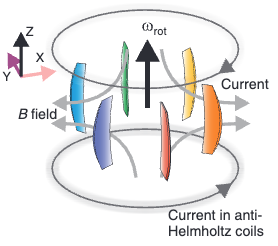
Polar molecules are desirable systems for quantum simulations and cold chemistry. Molecular ions are easily trapped, but a bias electric field applied to polarize them tends to accelerate them out of the trap. We present a general solution to this issue by rotating the bias field slowly enough for the molecular polarization axis to follow but rapidly enough for the ions to stay trapped. We demonstrate Ramsey spectroscopy between Stark-Zeeman sublevels in $^{180}$Hf$^{19}$F$^+$ with a coherence time of 100 ms. Frequency shifts arising from well-controlled topological (Berry) phases are used to determine magnetic $g$-factors. The rotating-bias-field technique may enable using trapped polar molecules for precision measurement and quantum information science, including the search for an electron electric dipole moment.

2012
- Near-infrared LIF spectroscopy of HfFM. Grau, A.E. Leanhardt, H. Loh, L.C. Sinclair, R.P. Stutz, T.S. Yahn, and E.A. CornellJ. Mol. Spectrosc. 272, 1 (2012)
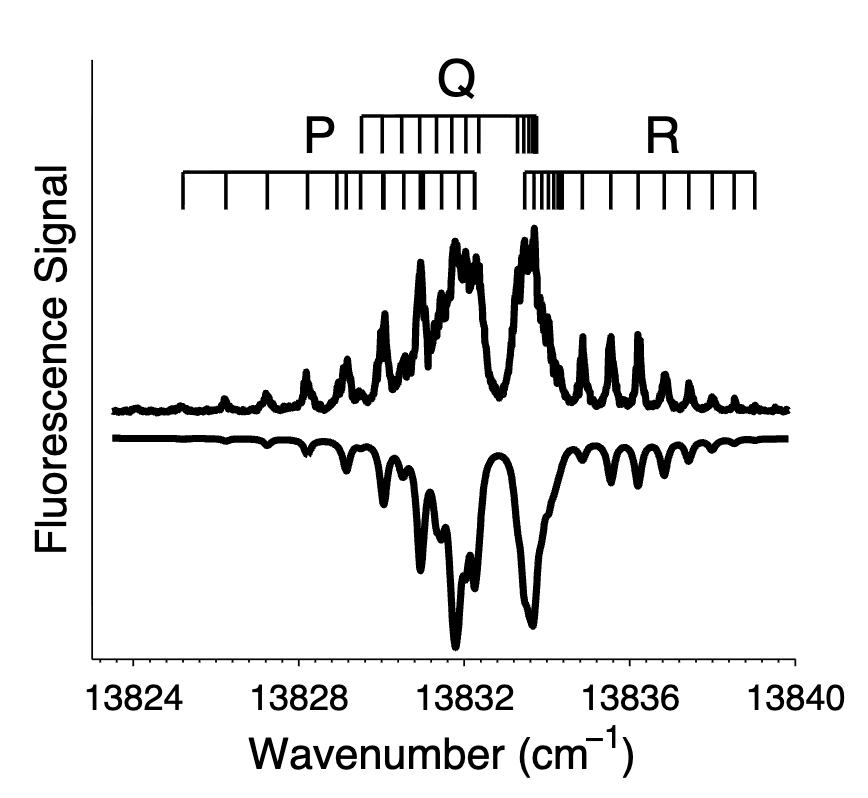
The molecular ion HfF$^+$ is the chosen species for a JILA experiment to measure the electron electric dipole moment (eEDM). Detailed knowledge of the spectrum of HfF is crucial to prepare HfF$^+$ in a state suitable for performing an eEDM measurement. We investigated the near-infrared electronic spectrum of HfF using laser-induced fluorescence (LIF) of a supersonic molecular beam. We discovered eight unreported bands, and assign each of them unambiguously, four to vibrational bands belonging to the transition $[13.8]0.5 \leftarrow X1.5$, and four to vibrational bands belonging to the transition $[14.2]1.5 \leftarrow X1.5$. Additionally, we report an improved measurement of vibrational spacing of the ground state, as well as anharmonicity $\omega_e x_e$.

2011
- Laser-induced fluorescence studies of HfF$^+$ produced by autoionizationHuanqian Loh, Jia Wang, Matt Grau, Tyler S. Yahn, Robert W. Field, Chris H. Greene, and Eric A. CornellJ. Chem. Phys. 135, 15 (Oct 2011)
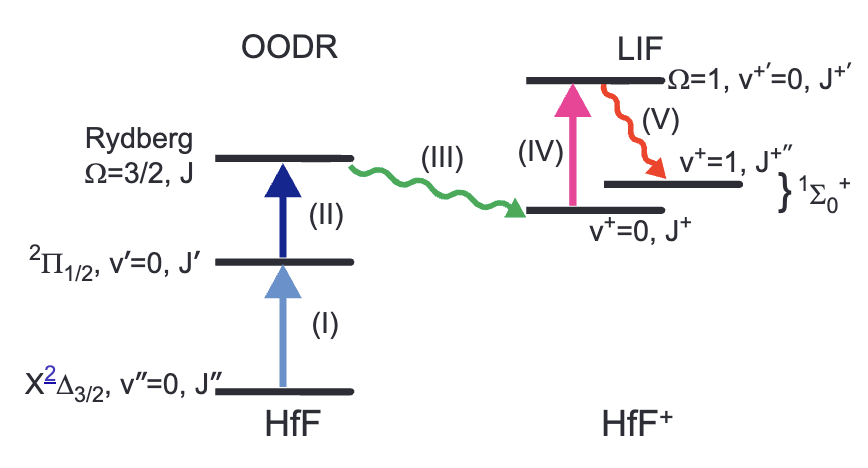
Autoionization of Rydberg states of HfF, prepared using the optical-optical double resonance (OODR) technique, holds promise to create HfF+ in a particular Zeeman level of a rovibronic state for an electron electric dipole moment (eEDM) search. We characterize a vibronic band of Rydberg HfF at 54 cm-1 above the lowest ionization threshold and directly probe the state of the ions formed from this vibronic band by performing laser-induced fluorescence (LIF) on the ions. The Rydberg HfF molecules show a propensity to decay into only a few ion rotational states of a given parity and are found to preserve their orientation qualitatively upon autoionization. We show empirically that we can create 30% of the total ion yield in a particular |J+,M+> state and present a simplified model describing autoionization from a given Rydberg state that assumes no angular dynamics.